
Table of Contents
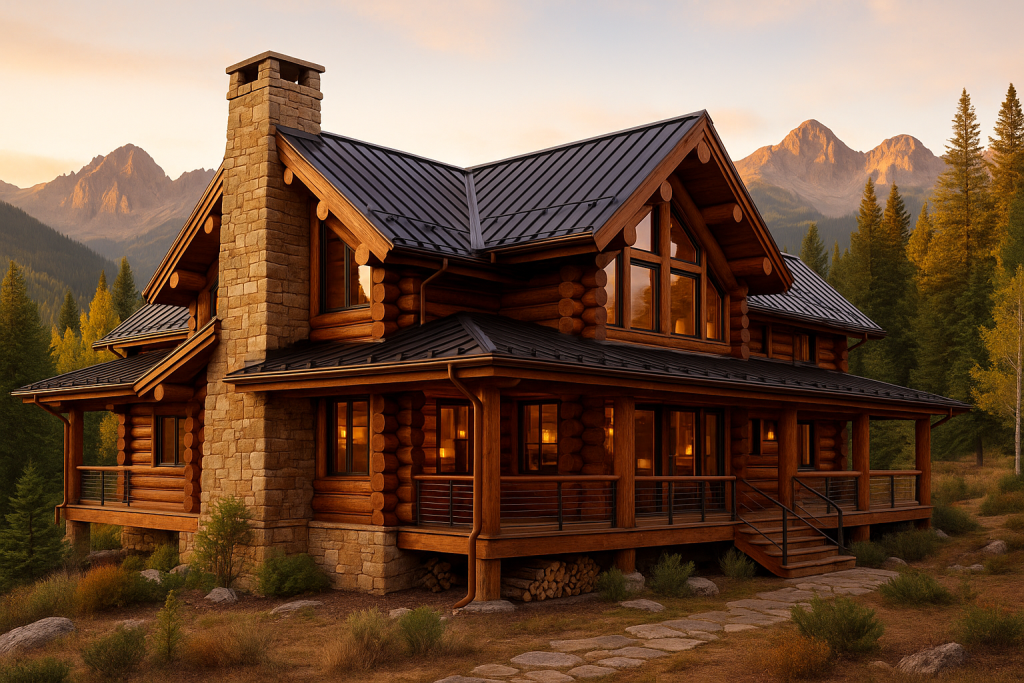
Log cabins are admired for their rustic beauty, natural warmth, and timeless architectural appeal. Whether nestled in the mountains, by a lake, or in a wooded retreat, log homes provide a unique living experience that blends comfort with nature. However, maintaining a log cabin requires specialized care—especially when it comes to energy efficiency and weather protection. One of the most critical yet often overlooked components is log home chinking. Professional log home chinking services play a vital role in sealing gaps, improving insulation, and keeping cabins comfortable year-round.
Across changing seasons and harsh weather conditions, even the best-built log homes can develop gaps between logs due to settling, expansion, and contraction. Without effective chinking, these gaps allow air leaks, moisture intrusion, pests, and heat loss. Investing in high-quality chinking services not only preserves a log home’s structural integrity but also significantly enhances its energy efficiency.
What Is Log Home Chinking?
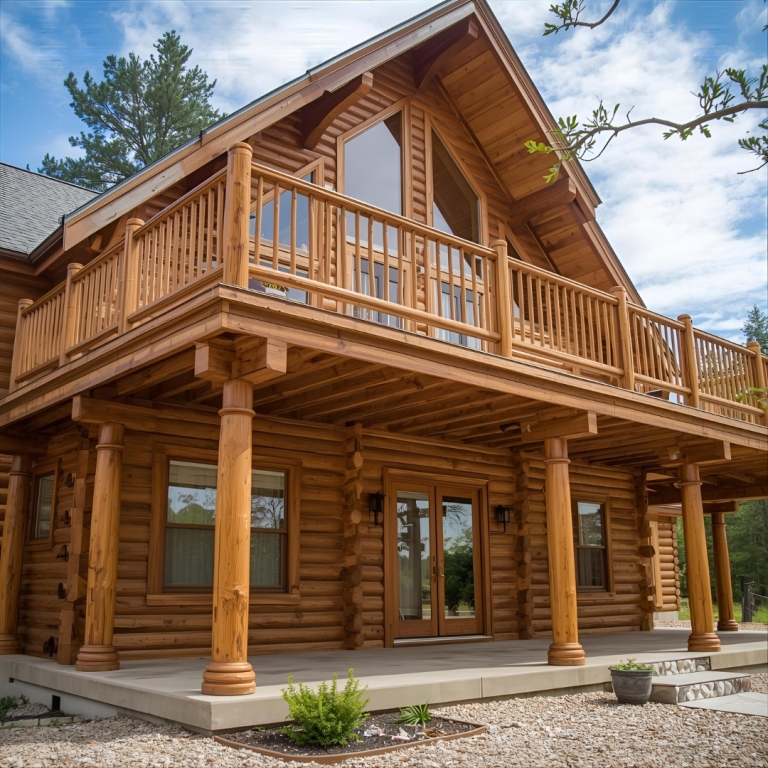
Chinking is the flexible, weather-resistant material applied between the logs of a cabin to seal joints and gaps. Traditionally, chinking was made from natural mixtures such as clay, mud, lime, or animal hair. While effective in early times, modern technology has introduced advanced synthetic chinking products that are far more durable, flexible, and insulating.
Modern log home chinking is designed to:
- Prevent air and water infiltration
- Accommodate log movement due to temperature and humidity changes
- Improve thermal insulation
- Enhance the visual appearance of the cabin
- Protect against insects and small pests
Professional chinking services ensure that the correct materials, application techniques, and curing processes are used to achieve long-lasting results.
Why Chinking Is Essential for Energy-Efficient Cabins
Energy efficiency is a growing priority for cabin owners seeking lower utility bills, improved comfort, and a reduced environmental footprint. Chinking services plays a central role in achieving these goals.
1. Eliminates Air Leaks
Gaps between logs allow warm air to escape in winter and hot air to enter during summer. Proper chinking seals these leaks, creating a tighter building envelope that maintains indoor temperatures more effectively.
2. Improves Insulation Performance
While logs offer natural insulation, unsealed joints undermine that benefit. Chinking adds an extra thermal barrier that works alongside the logs to enhance overall insulation.
3. Reduces Heating and Cooling Costs
With fewer air leaks and improved insulation, heating and cooling systems operate more efficiently. Many homeowners notice a significant reduction in energy bills after professional chinking services.
4. Prevents Moisture Intrusion
Moisture entering through gaps can lead to mold growth, wood rot, and structural damage—all of which compromise both energy efficiency and long-term durability.
5. Enhances Indoor Comfort
Drafts and temperature fluctuations make cabins uncomfortable. Effective chinking creates consistent indoor temperatures and eliminates cold spots and drafts.
Signs Your Log Cabin Needs Chinking Services
Not all chinking issues are immediately obvious. Cabin owners should watch for the following warning signs:
- Visible gaps or cracks between logs
- Noticeable drafts near walls
- Increased heating or cooling costs
- Moisture stains or mildew inside the home
- Insect or rodent entry points
- Crumbling or brittle old chinking material
- Whistling sounds during strong winds
If any of these issues appear, it’s wise to consult a professional chinking service provider for a thorough inspection.
Professional Log Home Chinking Services: What to Expect
Hiring a professional chinking contractor ensures that your cabin receives expert care and reliable results. A typical log home chinking service includes several stages:
1. Inspection and Assessment
The process begins with a detailed inspection of the log structure. Technicians evaluate:
- Log condition
- Existing chinking integrity
- Moisture levels
- Air infiltration points
- Structural movement
This assessment helps determine whether spot repairs or full re-chinking is required.
2. Surface Preparation
Proper preparation is key to long-lasting performance. Old, damaged chinking is carefully removed, and surfaces are cleaned of dirt, mold, and loose debris. Backer rods may be installed to ensure proper depth and adhesion of new chinking material.
3. Application of Modern Chinking Substances
High-quality elastic chinking materials are applied using specialized tools. These modern products are designed to expand and contract with the logs while maintaining a tight, weatherproof seal.
4. Smoothing and Finishing
After application, the chinking is shaped and smoothed to ensure proper bonding and a polished appearance. This not only improves performance but also enhances the cabin’s aesthetics.
5. Curing and Final Inspection
Once cured, the chinking is inspected to ensure uniform thickness, strong adhesion, and full weatherproofing.
Benefits of Hiring Professional Chinking Services
While some cabin owners attempt DIY chinking, professional services offer several advantages:
Expert Knowledge
Professionals understand log movement, climate effects, and material behavior. Their expertise ensures the correct product and technique for your specific log home.
Long-Lasting Results
Commercial-grade chinking products and professional application typically last far longer than DIY solutions, reducing the need for frequent repairs.
Improved Energy Efficiency
Professionally sealed cabins achieve superior insulation performance and lower energy consumption.
Time and Cost Savings
Incorrect DIY work often leads to premature failure and costly rework. Professional services minimize long-term maintenance expenses.
Enhanced Property Value
Well-maintained, energy-efficient log homes hold higher resale value and attract buyers seeking performance as well as beauty.
Modern Chinking Materials for Energy Efficiency
Today’s chinking materials are engineered for durability and performance. Common types include:
- Acrylic Chinking: Flexible, UV-resistant, and paintable
- Elastomeric Chinking: Highly elastic for wide log movement
- Synthetic Polymer Blends: Excellent weather resistance and insulation performance
These materials provide superior sealing compared to traditional clay-based chinking, making them ideal for energy-efficient cabins.
How Often Should Log Homes Be Re-Chinked?
The lifespan of chinking depends on climate conditions, exposure, and the quality of materials used. On average:
- Well-applied modern chinking can last 20 to 30 years or more
- Inspections are recommended every 3–5 years
- Spot repairs may be needed sooner in harsh weather environments
Routine inspections help catch early signs of wear and prevent larger failures.
Environmental Benefits of Energy-Efficient Log Cabins
Energy-efficient cabins contribute to environmental sustainability. By reducing heat loss and minimizing energy consumption, effective chinking helps:
- Lower greenhouse gas emissions
- Reduce reliance on fossil fuels
- Preserve natural resources
- Support eco-friendly home ownership
For cabin owners who value both natural beauty and sustainability, professional chinking services align perfectly with green living goals.
Choosing the Right Log Home Chinking Service Provider
When selecting a contractor for your chinking project, consider the following:
- Years of experience with log structures
- Use of high-quality, modern chinking materials
- Transparent pricing and detailed estimates
- Strong customer reviews and references
- Warranty on workmanship and materials
- Knowledge of local climate challenges
A reputable provider ensures your cabin receives reliable, long-term protection.
Conclusion
Log homes are a treasured investment, offering natural charm, warmth, and a unique lifestyle connection to the outdoors. However, maintaining their comfort and energy efficiency requires specialized care. Professional log home chinking services are essential for sealing gaps, preventing moisture intrusion, reducing energy loss, and preserving the long-term integrity of your cabin.
By investing in quality chinking, cabin owners enjoy lower energy bills, improved indoor comfort, enhanced durability, and peace of mind knowing their home is protected against the elements. For anyone seeking to upgrade their log home into a truly energy-efficient cabin, professional chinking services are not just a maintenance task—they are a smart, long-term investment in both performance and sustainability.