

Table of Contents
Custom wheelchair lifts play a crucial role in creating accessible environments for individuals who use wheelchairs or mobility devices. Stairs, raised entrances, and changes in elevation can present significant barriers, limiting independence and safety. Custom wheelchair lifts are designed to overcome these challenges by providing reliable, user-friendly solutions tailored to the unique layout of a home or commercial space.
This article explores what custom wheelchair lifts are, their benefits, types, installation considerations, safety features, costs, and how to choose the right lift for long-term accessibility.
What Are Custom Wheelchair Lifts?
A custom wheelchair lift is a mechanical platform system designed to transport a wheelchair user vertically between different levels. Unlike standard lifts, custom wheelchair lifts are specifically designed to fit unique spaces, heights, and accessibility needs. They can be installed indoors or outdoors and are suitable for residential, commercial, and public environments.
Custom designs allow wheelchair lifts to integrate seamlessly with existing architecture while meeting safety regulations and accessibility standards.
Why Custom Wheelchair Lifts Are Important
Accessibility is essential for independence, dignity, and quality of life. Custom wheelchair lifts offer several important benefits:
Improved Safety
Navigating steps or uneven surfaces in a wheelchair can be dangerous. Wheelchair lifts eliminate the risk of falls and tipping by providing a stable and controlled method of elevation.
Increased Independence
Custom wheelchair lifts allow users to move between levels without assistance, restoring autonomy and confidence in daily activities.
Versatility and Flexibility
Because they are custom-built, these lifts can be installed in areas where ramps or elevators are impractical due to space limitations or design constraints.
Compliance with Accessibility Standards
In commercial and public buildings, custom wheelchair lifts help meet accessibility requirements and create inclusive spaces for all users.
Types of Custom Wheelchair Lifts

4
Custom wheelchair lifts come in several designs, each suited for specific applications and environments.
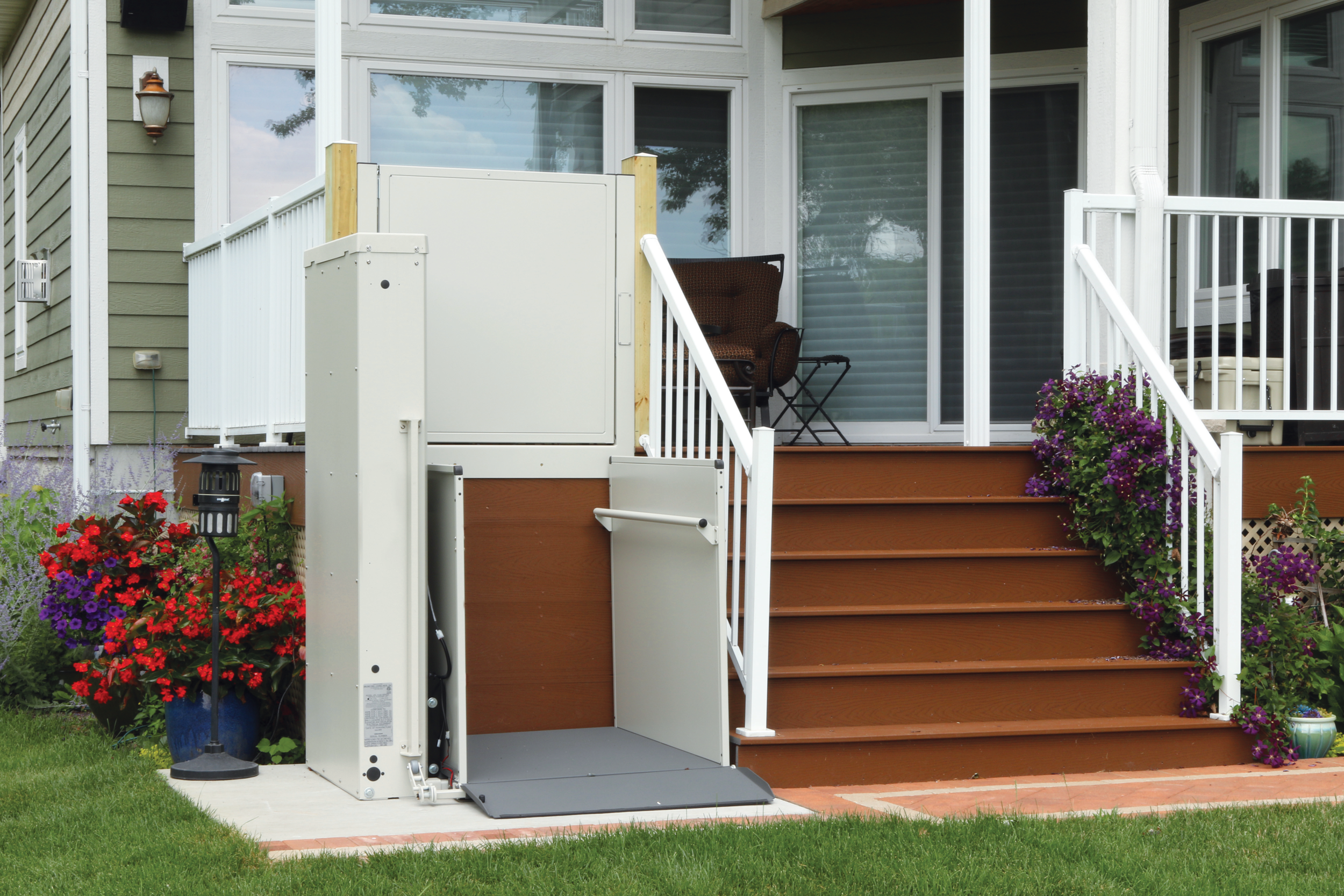
Vertical Platform Lifts
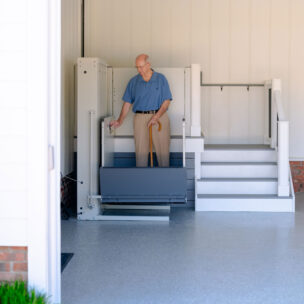
Vertical platform lifts move straight up and down, similar to a small elevator. They are ideal for overcoming changes in elevation of a few feet, such as porch access or split-level floors.
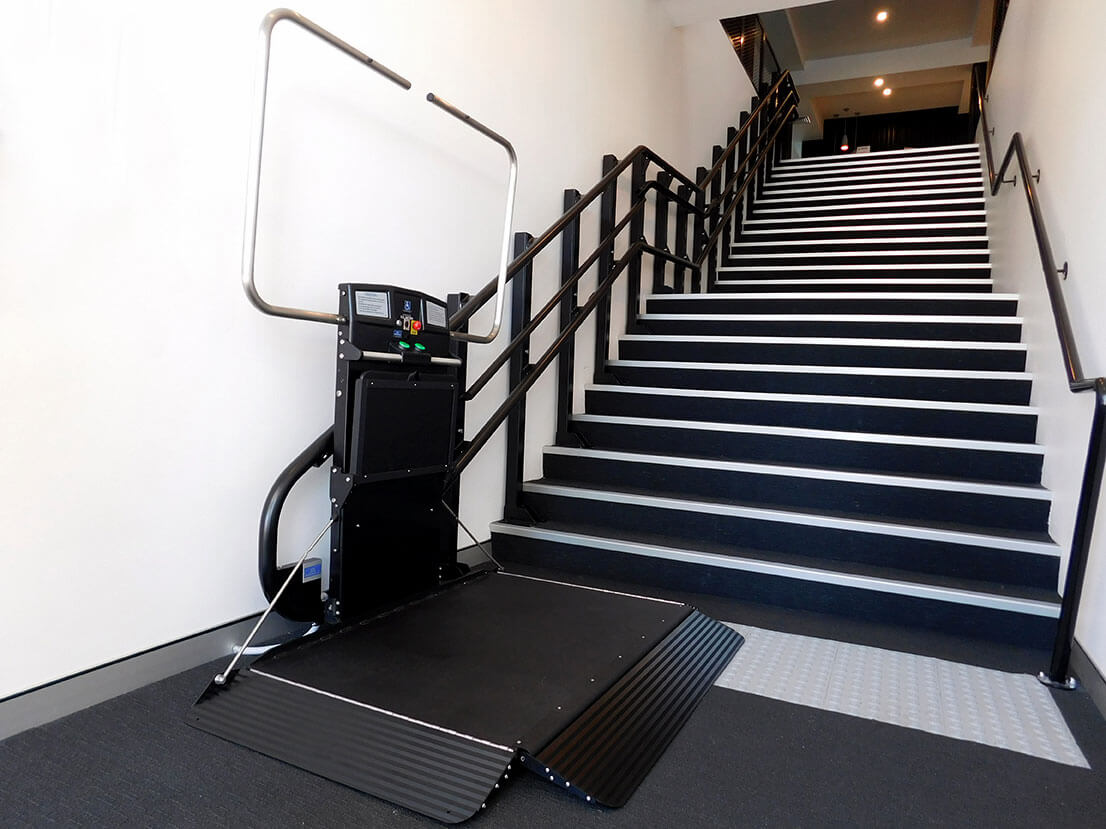
Inclined Platform Lifts
Inclined platform lifts travel along a staircase rail and carry the wheelchair user up or down the stairs. These lifts are well-suited for locations where stairs cannot be removed or replaced with a ramp.
Residential Wheelchair Lifts
Residential wheelchair lifts are designed for home use and can be customized to fit garages, entryways, decks, or interior spaces. They blend functionality with aesthetics to complement home design.
Outdoor Wheelchair Lifts
Outdoor lifts are built with weather-resistant materials to withstand rain, snow, and temperature changes. They are commonly used for porches, patios, and building entrances.
The Custom Wheelchair Lift Design Process
Custom wheelchair lift installation begins with a detailed assessment to ensure the lift meets the user’s needs and the site’s requirements.
Site Evaluation
Professionals evaluate available space, elevation height, structural support, and environmental conditions. This step ensures proper placement and safe operation.
User Needs Assessment
Factors such as wheelchair size, weight capacity, frequency of use, and user mobility are considered when designing the lift.
Custom Engineering and Fabrication
Based on the evaluation, the lift is engineered and manufactured to exact specifications. This ensures a precise fit and smooth operation.
Professional Installation
Certified technicians install the lift, secure it to the structure, and test all safety features before use.
Safety Features of Custom Wheelchair Lifts
Safety is a top priority in custom wheelchair lift design. Most systems include:
- Non-slip platform surfaces
- Automatic safety barriers or gates
- Emergency stop buttons
- Obstruction sensors
- Secure platform enclosures
- Backup power systems
These features ensure safe and reliable operation in both residential and commercial settings.
Cost Considerations for Custom Wheelchair Lifts
The cost of custom wheelchair lifts varies depending on several factors, including:
- Type of lift (vertical or inclined)
- Height and travel distance
- Indoor or outdoor installation
- Customization and structural modifications
- Local building codes and permits
While custom wheelchair lifts represent a significant investment, they often cost less than extensive renovations or elevator installations. Financing options and grants may also be available in some cases.
Custom Wheelchair Lifts vs. Ramps and Elevators
When improving accessibility, homeowners and businesses often compare wheelchair lifts with ramps and elevators.
- Ramps require significant space and may not be practical for steep elevation changes.
- Elevators are effective but expensive and require extensive construction.
- Custom wheelchair lifts offer a balance of affordability, space efficiency, and functionality.
For many applications, wheelchair lifts provide the most practical and cost-effective solution.
Maintenance and Long-Term Reliability
Regular maintenance is essential to ensure long-term performance and safety. Most manufacturers recommend annual inspections and routine servicing. Proper maintenance extends the lifespan of the lift and ensures compliance with safety standards.
Choosing a provider that offers ongoing support and service plans can provide peace of mind and protect your investment.
Choosing the Right Custom Wheelchair Lift Provider
Selecting the right provider is just as important as choosing the lift itself. Look for a company that offers:
- On-site assessments and custom design services
- Certified installation professionals
- Compliance with accessibility and safety standards
- Clear warranties and maintenance options
- Experience in residential and commercial installations
A knowledgeable provider will guide you through every step of the process and ensure the final solution meets your accessibility goals.
Conclusion
Custom wheelchair lifts are a powerful solution for creating safe, accessible, and inclusive environments. By addressing elevation barriers and adapting to unique spaces, these lifts restore independence and improve quality of life for wheelchair users.
Whether installed in a private home or a public building, custom wheelchair lifts offer a practical alternative to ramps and elevators. With thoughtful design, professional installation, and ongoing maintenance, they provide long-term accessibility, safety, and peace of mind—making mobility easier and more dignified for years to come.