


Table of Contents
Introduction
A well-designed wardrobe closet can make a significant difference in how a bedroom looks and functions. Clothing, shoes, accessories, bedding, and personal belongings can quickly create clutter when storage is limited or poorly organized. A thoughtfully planned wardrobe provides dedicated space for everyday essentials while helping maintain a cleaner and more comfortable living environment.
Modern wardrobe closets are available in countless styles, sizes, materials, and configurations. From compact freestanding units to spacious built-in systems, homeowners can select an option that matches their room, lifestyle, and storage requirements.
What Is a Wardrobe Closet?
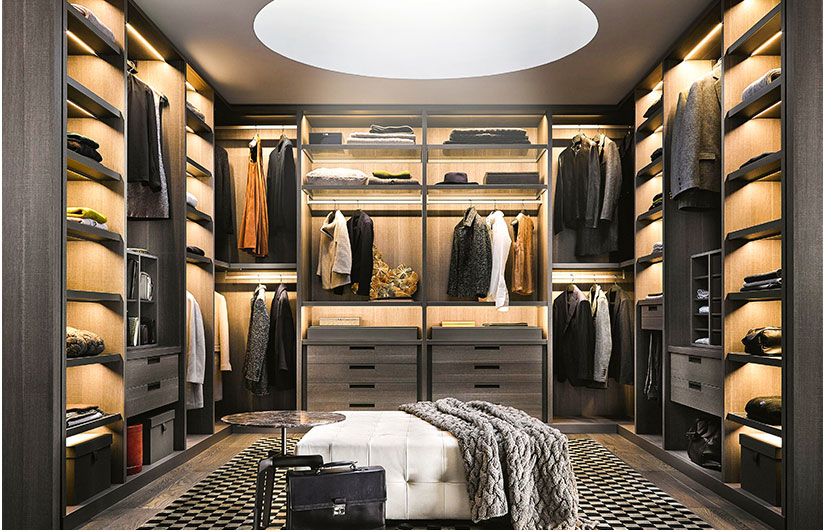
A walk in closet is a storage unit designed primarily for organizing clothing and accessories. It may be freestanding, built into a wall, or integrated into a larger bedroom storage system.
Depending on the design, a wardrobe can include:
- Hanging rails
- Shelves
- Drawers
- Shoe compartments
- Accessory organizers
- Mirrors
- Sliding doors
- Hinged doors
- Adjustable storage
The best configuration depends on the type and quantity of belongings that need to be stored.
Benefits of a Wardrobe Closet
One of the biggest advantages of a wardrobe is improved organization. Instead of keeping clothes across multiple areas of the bedroom, everything can have a dedicated location.
A quality wardrobe can provide:
- Better use of bedroom space
- Easy access to clothing
- Reduced visual clutter
- More organized accessories
- Dedicated shoe storage
- Improved clothing protection
- A cleaner appearance
An organized wardrobe can also make daily routines faster because frequently used items are easier to find.
Choosing the Right Size
Size is one of the most important factors when selecting a wardrobe closet. Before purchasing or designing one, measure the available wall and floor space.
Consider the height, width, and depth of the room as well as doors, windows, electrical outlets, and furniture.
A wardrobe should provide sufficient storage without making the bedroom feel crowded.
For smaller rooms, tall wardrobes can make better use of vertical space while leaving more floor area available.
Freestanding Wardrobes
Freestanding wardrobes are popular because they are relatively flexible. They can be moved or replaced if the room layout changes.
These wardrobes are available in many designs, from simple two-door units to larger systems with multiple compartments.
Freestanding options can be especially useful for renters or homeowners who do not want permanent cabinetry.
Built-In Wardrobes
Built-in wardrobes are designed to fit a specific space. They can extend from floor to ceiling and use available wall space efficiently.
A built-in wardrobe can be customized with shelves, drawers, hanging rails, and other storage features.
Although installation may require a larger initial investment, built-in designs can provide a polished appearance and maximize storage capacity.
Sliding Door Wardrobes
Sliding doors are useful when floor space is limited. Unlike hinged doors, they do not require additional clearance when opened.
This makes sliding wardrobe closets suitable for smaller bedrooms and narrow spaces.
Mirrored sliding doors can provide another advantage by creating a convenient full-length mirror while visually making the room appear larger.
Hinged Door Wardrobes
Traditional hinged doors remain popular because they provide full access to the wardrobe interior when opened.
They are available in wood, glass, laminate, painted finishes, and many other styles.
However, homeowners should ensure sufficient clearance in front of the wardrobe.
Interior Organization
A wardrobe should be organized according to how the space will actually be used.
Hanging rails are useful for shirts, jackets, dresses, trousers, and other garments that benefit from being hung.
Shelves can hold folded clothing, bags, boxes, and accessories.
Drawers are particularly useful for smaller items such as:
- Socks
- Underwear
- Belts
- Ties
- Scarves
- Watches
Combining different storage types creates a more versatile system.
Shoe Storage
Shoes often create clutter when stored randomly on bedroom floors.
Dedicated wardrobe compartments can keep shoes organized and easier to access.
Pull-out shoe racks, shelves, cubbies, and adjustable compartments are all useful options.
Frequently worn shoes should be stored in convenient locations, while seasonal or occasional footwear can be placed higher or lower.
Accessory Storage
Accessories are small but can require considerable organization.
Jewelry trays, belt racks, tie organizers, handbag shelves, and drawer dividers can help prevent small items from becoming tangled or misplaced.
Specialized organizers can also make better use of otherwise unused wardrobe space.
Choosing Materials
Wardrobe closets are manufactured using various materials, including engineered wood, laminate, MDF, wood veneer, solid wood, glass, and metal.
Each material creates a different appearance and maintenance requirement.
Wood finishes can provide warmth, while minimalist laminate finishes may suit modern interiors.
Glass panels can create a contemporary appearance and allow clothing to remain visible.
Color Selection
The wardrobe’s color should complement the bedroom.
Light colors such as white, cream, beige, and soft gray can make smaller rooms feel brighter.
Natural wood tones can create a warm and traditional appearance.
Darker finishes may produce a sophisticated look but can make small rooms feel visually heavier if lighting is limited.
Lighting Inside the Wardrobe
Good lighting makes wardrobe organization much easier.
LED lighting can illuminate shelves, drawers, and hanging areas without requiring bright overhead lights.
Motion-activated lighting is another convenient option because the lights automatically turn on when the wardrobe is opened or someone enters the area.
Proper lighting also makes it easier to distinguish clothing colors.
Making the Most of Small Bedrooms
A small bedroom does not necessarily mean limited wardrobe storage.
Use vertical space whenever possible. Floor-to-ceiling wardrobes provide additional storage without increasing the footprint.
Sliding doors can save valuable floor space, while built-in designs can take advantage of awkward corners.
Avoid oversized decorative furniture that reduces usable storage space.
Seasonal Organization
Clothing needs change throughout the year. Winter coats, heavy sweaters, and warm bedding may take up substantial space during summer.
Use upper shelves or storage boxes for items that are not currently needed.
When the season changes, rotate clothing so frequently used items remain within easy reach.
Maintaining an Organized Wardrobe
Regular maintenance prevents storage spaces from becoming overcrowded.
Every few months, review clothing and accessories. Consider donating or recycling items that are no longer used and separating damaged clothing for repair or disposal.
Organizing clothing by category, season, or color can also make everyday selection easier.
Customization Options
Modern wardrobe systems can be customized according to individual requirements.
Possible features include:
- Adjustable shelves
- Pull-down hanging rails
- Soft-close drawers
- Full-length mirrors
- Internal lighting
- Jewelry trays
- Shoe racks
- Laundry compartments
Customization allows homeowners to design storage around their actual belongings rather than adapting their belongings to a fixed layout.
Choosing the Right Wardrobe Closet
Before purchasing a wardrobe, consider the following:
Available Space
Measure carefully to ensure the unit fits comfortably.
Storage Requirements
Count hanging clothes, folded garments, shoes, bags, and accessories.
Door Style
Choose sliding or hinged doors based on available floor space.
Material
Select a durable material that complements the bedroom.
Budget
Compare features and quality rather than focusing only on the initial price.
Future Needs
Consider whether your clothing and storage requirements may increase over time.
Conclusion
A well-planned wardrobe closet provides an effective combination of storage, organization, and style. Whether you choose a compact freestanding unit, a built-in system, or a modern sliding-door wardrobe, the right design can make a bedroom more functional and visually appealing.
By considering available space, storage requirements, materials, lighting, door styles, and organization features, homeowners can create a wardrobe that fits their lifestyle. Regular decluttering and thoughtful organization will help maintain the benefits, ensuring that clothing and accessories remain accessible while the bedroom stays clean and comfortable.